
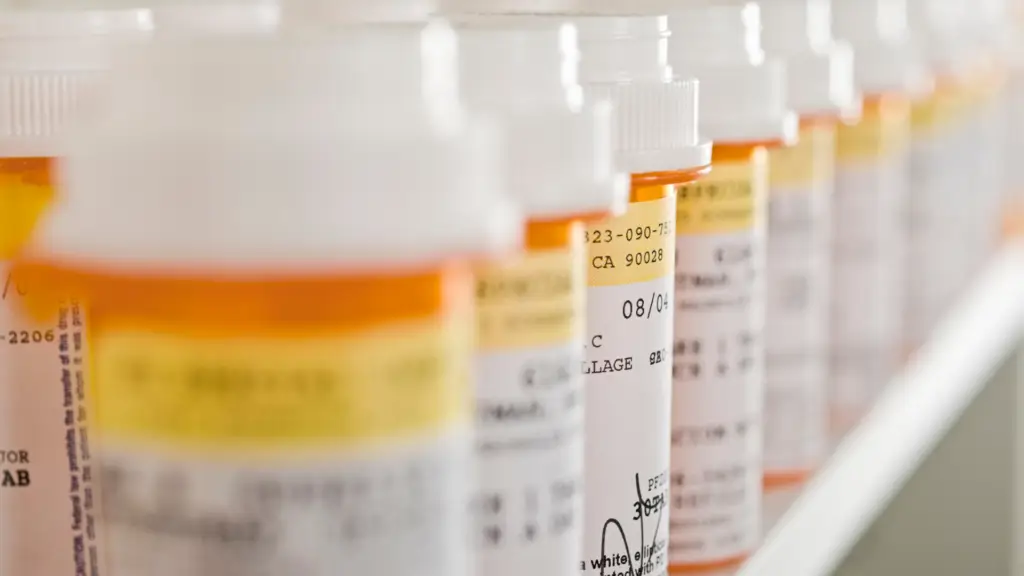
Medicare Part D is optional prescription drug coverage available to people with Medicare in Michigan and across the country. It helps pay for outpatient prescription drugs you pick up at a pharmacy—both brand-name and generic drugs. This coverage is offered through private insurance companies approved by Medicare, not directly by the federal government. Sunnyside Medicare is an independent Medicare insurance agency with licensed agents across Michigan who can help you compare Part D options and understand how they fit with your overall Medicare coverage.
Key Takeaways About Medicare Part D
- Medicare Part D is voluntary, but if you delay enrollment without other creditable drug coverage, you may face a late enrollment penalty added to your monthly premium for as long as you have Part D.
- Part D plans are offered by private plans approved by Medicare, not by the federal government directly, and each plan sets its own premiums, formularies, and pharmacy networks.
- Every person with Medicare in Michigan can choose to get drug coverage either through a stand alone PDPs (with Original Medicare) or through Medicare Advantage plans that include drug coverage.
- Part D has several cost sharing amounts to understand: a monthly premium, an annual deductible, copays or coinsurance at the pharmacy, and starting in 2025, a yearly out of pocket cap.
- Coverage details—including which drugs covered, costs, and network pharmacies—can change each year, so reviewing your plan during the Annual Enrollment Period (October 15–December 7) is important.
- Low-income Medicare beneficiaries may qualify for Extra Help (the low income subsidy), which can significantly reduce Part D drug costs.
- Contact Sunnyside Medicare to speak with a licensed Michigan agent who can help you review your prescriptions and compare plan options.
Medicare Part D Basics
Medicare Part D is the part of Medicare that helps pay for outpatient prescription drugs. It’s separate from Part A (hospital insurance) and Medicare Part B (medical insurance), which cover inpatient care and doctor visits respectively.
There are two main ways to get Medicare prescription drug coverage:
- Stand-alone Prescription Drug Plan (PDP): You add this to Original Medicare (Part A and/or Part B). You keep your Original Medicare benefits and add drug coverage on top.
- Medicare Advantage plan with drug coverage (MA-PD): This is a Medicare Part C plan that bundles Part A, Part B, and usually Part D prescription drug coverage into one plan from a private insurer.
Here’s what you should know about how Part D plans work:
- All Part D plans must follow federal rules set by the Centers for Medicare & Medicaid Services (CMS), but each company designs its own list of covered drugs (called a formulary), chooses its network pharmacies, and sets its own premiums and cost sharing.
- Part D is voluntary, but if you don’t have creditable drug coverage (coverage that’s expected to pay at least as much as a standard Medicare drug plan) and you wait to enroll, you may pay a late enrollment penalty added to your Part D premium.
- Part D plans are renewed annually, but benefits, drug lists, and premiums can change every January 1. Each fall, you’ll receive an Annual Notice of Change from your current plan explaining any updates for the coming year.

Who Is Eligible for Medicare Part D?
Most people who are eligible for Medicare are also eligible to enroll in a Part D plan. You don’t need to wait until you start receiving Social Security benefits—as long as your Medicare is active, you can enroll.
You can generally enroll in Part D if you:
- Are enrolled in Medicare Part A and/or Part B
- Live in the service area of the Part D plan (most stand-alone Part D plans in Michigan are available statewide, though some Medicare Advantage plans use county-based service areas)
If you already have drug coverage through an employer, union, the VA, or TRICARE, check whether that coverage is considered “creditable” before deciding whether to add Part D. Your current plan should send you a notice each year telling you whether your coverage meets Medicare’s creditable coverage standard.
Certain people may be automatically enrolled in a Medicare drug plan:
- Those who qualify for Medicaid
- Those receiving Supplemental Security Income (SSI)
- Those who qualify for Extra Help through the Social Security Administration
Even if you’re automatically enrolled, you can usually choose a different plan that better fits your needs during an enrollment period.
How Medicare Part D Works
Part D plans use a standard framework set by law, which includes a deductible phase, an initial coverage phase, and a yearly out of pocket maximum. However, each plan can design its specific costs within that framework, so two plans can look quite different in practice.
Understanding Formularies
A formulary is a list of covered drugs divided into tiers. While plan formularies differ, a typical tier structure might look like this:
| Tier | Description | Typical Cost |
|---|---|---|
| Tier 1 | Preferred generic drugs | Lowest copay |
| Tier 2 | Non-preferred generics | Low copay |
| Tier 3 | Preferred brand-name drugs | Moderate copay |
| Tier 4 | Non-preferred brand-name drugs | Higher copay or coinsurance |
| Tier 5 | Specialty drugs | Highest cost (often coinsurance) |
Each plan decides which medications go on which tier, and this can change from year to year.
Pharmacy Networks
Part D plans also have network pharmacies where you fill your prescriptions. Many plans have:
- Preferred cost share pharmacies: Usually offer lower costs for your prescriptions
- Lower cost preferred pharmacies: May provide a substantial reduction in what you pay
- Standard network pharmacies: Covered, but you may pay more than at preferred locations
Using a pharmacy outside your plan’s network can mean paying the full cost of your medications.
Coverage Rules
Plans may use coverage rules that affect how you get certain medications:
- Prior authorization: The plan must approve the drug before you can fill it
- Step therapy: You may need to try a lower cost drug first before the plan covers a more expensive option
- Quantity limits: Restrictions on how much of a medication you can get at once
These rules are listed in your plan materials and can vary significantly between d plans.
Cost Components
Here are the typical cost pieces you’ll encounter with a Medicare Part D plan:
- Monthly premium: What you pay to keep the plan active, which varies by plan
- Annual deductible: What you pay before the plan starts covering most drugs (some plans waive or reduce this for certain tiers)
- Copays or coinsurance: What you pay at the pharmacy for each prescription
- Yearly out-of-pocket cap: Starting in 2025, there’s a hard cap on out of pocket spending for covered Part D drugs. Once you reach this cap, you won’t pay additional cost sharing for covered drugs for the rest of that calendar year.
People with higher incomes may also pay an additional premium through an income-related monthly adjustment, billed separately by the federal government.
Enrollment Periods for Medicare Part D
Part D enrollment is limited to certain periods each year, with special exceptions for qualifying life events. Understanding these windows helps you avoid gaps in coverage and potential penalties.
Initial Enrollment Period (IEP)
When you first become eligible for Medicare, you have a seven-month window to join a Part D or Medicare Advantage plan:
- Three months before the month you turn 65
- The month you turn 65
- Three months after the month you turn 65
If you qualify for Medicare under age 65 due to disability, similar timing applies based on your Medicare eligibility month.
Annual Enrollment Period (AEP)
Each year from October 15 through December 7, you can:
- Join a Part D plan
- Switch from one Part D plan to another
- Drop Part D coverage
- Switch between Original Medicare with a stand-alone Part D plan and Medicare Advantage with drug coverage
Coverage changes made during AEP take effect January 1 of the following year.
Special Enrollment Periods (SEPs)
You may qualify for a Special Enrollment Period if you experience certain life events:
- Losing employer or union drug coverage
- Moving out of your plan’s service area
- Qualifying for Extra Help (low income subsidy)
- Certain plan-level changes that affect your coverage
The Late Enrollment Penalty
If you delay enrollment in Part D without other creditable drug coverage:
- A d late enrollment penalty may apply for each full month you were without coverage after your IEP ended
- This penalty is usually added to your monthly Part D premium for as long as you have Part D
- The penalty amount is calculated as 1% of the national base beneficiary premium multiplied by the number of months you delayed
To avoid surprises, talk with a licensed Sunnyside Medicare agent well before key deadlines—especially during AEP—so you have time to compare plans.

What Does Medicare Part D Cover?
Every Part D plan must cover a wide range of outpatient prescription drugs, but each plan chooses which specific drugs and strengths to include on its formulary. This means coverage can vary significantly between plans.
What Plans Must Cover
Plan formularies must include drugs in all major therapeutic categories. Additionally, six “protected classes” require that plans cover all or substantially all drugs in those categories:
- Immunosuppressants for transplant recipients
- Antiretrovirals for HIV/AIDS
- Antidepressants
- Antipsychotics
- Anticonvulsants for seizure disorders
- Antineoplastics (cancer medications)
Commonly Covered Medications
Most Part D plans cover:
- Many generic drugs at lower copays
- Many brand-name drugs at higher copays
- Some specialty or high-cost medications, typically at the highest cost sharing tier
- Insulin (capped at $35 per month starting in 2023, with no deductible applied from 2024)
- Certain smoking cessation medications
What Part D Generally Does Not Cover
Some medications are excluded from Part D coverage by law:
- Over-the-counter medications (aspirin, vitamins, cold remedies) unless part of a special program
- Drugs already covered by Part A or Part B (such as medications given during an inpatient hospital stay or IV drugs administered in a doctor’s office)
- Medications primarily for hair growth or cosmetic purposes
- Certain weight loss or fertility drugs
- Drugs purchased outside the United States
Drug companies and drug manufacturers must participate in required discount programs for their brand-name medications to be covered by Part D.
Always check each plan’s current formulary for your exact prescriptions, dosage, and quantity. Coverage and tiers can change from year to year, so up to date information is essential before making decisions.
What Does Medicare Part D Cost?
Part D drug costs vary by plan, by county, and by the medications you take. There’s no single price that applies to everyone, which is why comparing plans based on your specific situation matters.
Common Cost Pieces
| Cost Type | Description |
|---|---|
| Monthly premium | Paid to the insurance company; differs for each plan |
| Annual deductible | Amount you pay before the plan covers most drugs (some plans waive this for certain tiers) |
| Copayment | Flat dollar amount for a prescription (varies by tier) |
| Coinsurance | Percentage of the drug’s cost (common for specialty drugs) |
The 2025 Out-of-Pocket Cap
Beginning in 2025, there’s a yearly out of pocket cap for covered Part D drugs. Once you reach this threshold, you won’t pay additional cost sharing for covered medications for the rest of that calendar year. This provides significant protection against high prescription drug costs, especially for people taking expensive specialty medications.
The federal government can also negotiate drug prices for certain high-cost medications starting in 2026, which may help lower costs for some drugs over time.
Income-Related Adjustments
People with higher incomes may pay an additional premium amount on top of their plan’s base premium. This income-related monthly adjustment is billed separately by the federal government based on your tax return from two years prior.
Choosing Wisely
When comparing plans:
- Look at total estimated annual cost (premiums plus expected out-of-pocket at the pharmacy) rather than just choosing the lowest premium plan
- Check whether your preferred pharmacies are in-network—especially lower costs advertised at preferred pharmacies
- Review how your specific medications are covered and what tier they’re on
- Consider whether enhanced benefits offered by some plans might reduce your overall drug expenses
A licensed Sunnyside Medicare agent can walk through projected annual costs for different plans using your personal list of medications and preferred pharmacies, helping you understand your coverage options without recommending a single “best” plan.
Low-Income Help and Extra Help (Low-Income Subsidy)
Extra Help, also known as the low income subsidy, is a federal program that can substantially lower Part D costs for people with limited income and resources.
What Extra Help Can Do
- Reduce or eliminate the monthly Part D premium for certain plans
- Lower or remove the yearly deductible
- Limit copays for covered prescriptions to small amounts
For many plans, beneficiary premiums and enrollee premiums may be fully covered for those who qualify, representing substantially lower costs than standard Part D.
Who May Qualify
Eligibility is based on income and assets, with thresholds that can change each year. People who may qualify for Extra Help include:
- Those receiving Medicaid benefits
- Participants in certain Medicare Savings Programs
- People receiving Supplemental Security Income (SSI)
- Others with limited income and resources below program thresholds
If you qualify for one of these programs, you may be automatically enrolled in Extra Help, though you can still choose your own Part D plan.
How to Apply
If you think you might qualify:
- Contact the Social Security Administration to apply for Extra Help
- Reach out to Sunnyside Medicare or a local counseling program for guidance on how Extra Help could affect your Part D choices
- Michigan residents can also contact their local Medicaid services office for assistance
Extra Help can make a significant difference in managing drug spending, so it’s worth exploring if you have limited income.

Common Part D Scenarios for Michigan Medicare Beneficiaries
People in Michigan face common decision points around Part D, whether they’re turning 65, retiring later, or already on Medicare and taking multiple prescriptions.
Scenario 1: Turning 65 and Retiring
A 64-year-old in Michigan preparing to retire at 65 might compare:
- A stand-alone Part D plan paired with Original Medicare (and possibly Medicare supplement insurance/Medigap)
- A Medicare Advantage plan with built-in drug coverage
The right choice depends on which doctors you want to see, what medications you take, and how you prefer your coverage structured.
Scenario 2: Working Past 65
Someone working past 65 with employer drug coverage needs to:
- Confirm whether their employer plan is creditable drug coverage
- Understand when to enroll in Part D (immediately or after leaving the employer plan)
- Avoid the late enrollment penalty by having creditable coverage documentation
Scenario 3: Reviewing Coverage During AEP
A person already on a Medicare Advantage plan whose prescriptions have changed should:
- Review their Annual Notice of Change each fall
- Check if current medications are still on the formulary
- Compare costs and coverage with other available plans
Many plans change their formularies, network pharmacies, and cost sharing amounts each year, so annual reviews matter.
Scenario 4: Helping a Parent with Extra Help
A caregiver in Michigan helping a parent who now qualifies for Extra Help may want to:
- Review available benchmark plans with reduced or zero premiums
- Ensure the parent’s current medications are covered
- Consider switching to a plan that offers lower costs for their specific drugs
Getting Help with Your Situation
The right approach depends on your total drug list, pharmacy preferences, budget, and other coverage (like retiree benefits or VA care). A licensed Sunnyside Medicare agent can help walk through options and Michigan-specific considerations, such as which local pharmacy networks are commonly used.
Common Mistakes and How to Avoid Them
Small missteps with Part D can lead to higher drug costs or gaps in coverage, but many are avoidable with a bit of education and regular review.
Mistake 1: Waiting Too Long to Enroll
Delaying Part D enrollment after losing employer or union coverage can trigger a late enrollment penalty that lasts for years.
Prevention: Mark your calendar for when coverage ends and contact a licensed agent before that date to review your Part D options.
Mistake 2: Choosing Based Only on Premium
Selecting the plan with the lowest monthly premium without checking the formulary or pharmacy network can lead to higher costs at the pharmacy counter.
Prevention: Always run your current drug list through plan comparison tools or with a licensed agent before deciding.
Mistake 3: Assuming Your Plan Won’t Change
Your current plan won’t always cover the same drugs the same way. Formularies, tiers, and drug prices can change every January 1.
Prevention: Read your Annual Notice of Change each fall and compare your options before the December 7 deadline.
Mistake 4: Ignoring Pharmacy Networks
Paying more by using a non-preferred or out-of-network pharmacy is a common oversight.
Prevention: Check whether your usual pharmacy is preferred under your plan, or consider switching to one that offers lower costs.
Mistake 5: Not Updating After Life Changes
Major changes in medications or moving within or out of Michigan can affect your coverage.
Prevention: Review your plan whenever your prescriptions change significantly, and check service areas if you move.
Schedule a yearly check-up of your drug coverage, especially during October and November, to catch plan changes and potential savings. Sunnyside Medicare agents can help review options without pressure.
How Sunnyside Medicare Can Help You With Part D
Part D comparisons can feel overwhelming due to different formularies, pharmacy networks, and costs. Sunnyside Medicare’s licensed agents in Michigan help simplify the process by focusing on your specific situation.
What Our Agents Can Do
- Review your full list of prescriptions, doses, and preferred pharmacies to identify which plans may cover them most efficiently
- Explain how plan formularies, tiers, and coverage rules like prior authorization or step therapy could affect access to your specific drugs
- Walk through the timing and rules of enrollment periods so you can switch plans correctly and avoid gaps
- Help you understand how Part D works alongside Original Medicare, Medicare supplement insurance, or Medicare Advantage
What We Are (and Aren’t)
Sunnyside Medicare is an independent agency and does not represent Medicare or any government agency. We work with multiple private insurance carriers approved to offer Medicare plans in Michigan.
Our conversations are informational and focused on helping you understand your coverage options. We don’t provide legal, tax, or medical advice—just clear explanations of how Medicare works.
Ready to Talk?
Contact Sunnyside Medicare by phone or online to schedule a no-obligation conversation with a licensed Michigan Medicare agent about your Part D and overall Medicare coverage.

Frequently Asked Questions About Medicare Part D
Do I have to enroll in Medicare Part D?
Part D is voluntary—you’re not required to enroll. However, if you don’t have other creditable drug coverage and you delay enrollment past your Initial Enrollment Period, you may pay a late enrollment penalty added to your premium for as long as you have Part D coverage. This penalty can add up over time, so it’s worth understanding your options during your initial eligibility window.
Can I get Part D if I keep working past 65?
Yes, but you may not need it right away. If your employer offers drug coverage, check whether it’s considered “creditable” (meaning it’s expected to pay at least as much as standard Medicare drug coverage). Your employer should provide a creditable coverage notice each year. If your employer coverage is creditable, you can delay Part D without penalty until that coverage ends.
Is Part D included with Medicare Advantage?
Many Medicare Advantage plans include drug coverage (these are called MA-PD plans), but not all do. If you enroll in a Medicare Advantage plan that already includes drug coverage, you generally cannot also enroll in a separate stand-alone Part D plan. Check your plan materials to confirm whether prescription drug coverage is included.
What if my drug isn’t on my plan’s formulary?
You have several options. You can ask your doctor if there’s a therapeutic alternative that is covered. You can also request a formulary exception from your plan, asking them to cover your medication at a lower tier or at all. If neither works, you might consider switching to a different plan during an allowed enrollment period that covers your medication more favorably.
Will all my prescriptions cost the same every year?
Not necessarily. Plans can change their formularies, tiers, and network pharmacies each January 1. A medication that was on a lower tier one year might move to a higher tier the next, changing your copay or coinsurance. That’s why reviewing your coverage annually during the Annual Enrollment Period is so important.
How do I know if I qualify for Extra Help (Low-Income Subsidy)?
Extra Help is available to people with limited income and resources. Eligibility thresholds change each year. To find out if you qualify, you can contact the Social Security Administration, apply online at ssa.gov, or speak with a Sunnyside Medicare agent who can point you toward the right resources. Local Medicaid services offices can also help.
Can I change Part D plans if I move within or out of Michigan?
Certain moves trigger a Special Enrollment Period, allowing you to change plans outside of the regular Annual Enrollment Period. If you move to an area where your current plan isn’t available, you’ll have an opportunity to select a new plan. Coverage rules depend on the new service area, so check which plans are available at your new address.
What’s the difference between a stand-alone Part D plan and Medicare Advantage with drug coverage?
A stand-alone Part D plan (PDP) provides only prescription drug coverage and is paired with Original Medicare. A Medicare Advantage plan with drug coverage (MA-PD) bundles hospital, medical, and drug coverage into one plan. Both approaches have pros and cons depending on your doctors, medications, and preferences. Many Michigan residents choose based on which offers better coverage for their specific prescription drug needs.
Do Part D plans cover insulin?
Yes, and there have been recent changes to make insulin more affordable. Starting in 2023, many Part D plans cap insulin costs at $35 per prescription for a month’s supply. From 2024, the deductible no longer applies to covered insulins. Check your plan’s formulary to confirm which insulin products are covered and at what cost.
How does Part D coordinate with other coverage I might have?
If you have other prescription drug coverage—through an employer, TRICARE, VA, or Medicaid—it may affect whether you need Part D or how your benefits coordinate. Some coverage types pay primary (first) while Part D pays secondary, and vice versa. Understanding how your coverage works together helps pay for prescriptions more efficiently and avoids duplicate coverage. A licensed agent can help explain how coordination works in your situation.
What to Do Next
Choosing a Medicare Part D plan doesn’t have to feel overwhelming. Taking a few organized steps can make the process much more manageable.
Your Next Steps
- Make a written list of all current prescriptions (medication name, dosage, and how often you take them) along with your preferred pharmacies in your Michigan community
- Decide whether you plan to stay with Original Medicare plus a stand-alone Part D plan or consider a Medicare Advantage plan that includes drug coverage
- Review plan options each fall during the October 15–December 7 Annual Enrollment Period, or sooner if you’re newly eligible for Medicare
- Keep all Medicare and plan notices, especially your Annual Notice of Change, and review any changes to costs and coverage each year
- If you think you may qualify for Extra Help, contact the Social Security Administration or a local assistance program
Get Personalized Help
Contact Sunnyside Medicare to review your medication list and compare available Part D options with a licensed Michigan agent. Whether by phone or through an online form, our agents can help you understand your choices without pressure.
Understanding Medicare Part D is a significant step toward managing your prescription drug costs with confidence. Knowledgeable help is available at no extra cost to you, and there’s no obligation to enroll in any particular plan. Take your time, gather your information, and reach out when you’re ready for personalized guidance.